Ask Molly – Are We Making Marketing Too Difficult?
The discussion centers on the complexity of modern marketing and the need to simplify it. Scott emphasizes the importance of human connection and storytelling over technical jargon. They argue that overcomplicating marketing with tech stacks and AI-generated content can dilute the human element, leading to inefficiency and reduced trust. Molly agrees, highlighting the need for a well-defined marketing message and strategic tech use. They stress the importance of maintaining a personal touch and being nimble, especially for smaller companies. The conversation concludes with a call to focus on human-centric marketing to build trust and achieve success.
Action Items
- [ ] Use an AI/program to summarize this Ask Molly conversation and produce a concise summary of key points
- [ ] Publish another Ask Molly episode shortly and notify listeners when it is available
- [ ] Launch and publish the new podcast series ‘Business Beatitudes' and promote it to listeners
Outline
Simplifying Marketing Complexity
- Scott introduces the podcast, emphasizing the goal of simplifying marketing to help companies succeed.
- Scott expresses frustration with the complexity of marketing conversations, likening it to needing a decoder ring.
- The discussion highlights the overwhelming amount of information and the tendency to ignore it due to inundation.
- Scott stresses the importance of connecting with individuals through the principles of know, like, and trust.
The Role of Human Element in Marketing
- Scott argues that marketing should be simplified to focus on personal connections and human elements.
- The conversation touches on the importance of storytelling and creating a personal brand for companies.
- Scott believes that the market depends on companies to succeed and that simplifying marketing can lead to tremendous success.
- The discussion emphasizes the need for companies to be human and relatable in their marketing efforts.
Challenges of Modern Marketing Technologies
- Scott and Molly discuss the complexity of the marketing tech stack and its impact on progress.
- Molly explains how the focus on technology can lead to neglecting the core marketing message and customer engagement.
- The conversation highlights the inefficiency of spending too much time on technology integration without making progress in marketing.
- Molly suggests that companies should focus on specific and strategic technology purchases and address needs as they arise.
Balancing Technology and Human Touch
- Scott and Molly discuss the importance of maintaining a balance between technology and human interaction in marketing.
- Molly emphasizes the need for a well-defined marketing message and foundation to avoid chaos and inefficiency.
- The conversation touches on the challenges of working with large companies and their slower decision-making processes.
- Scott and Molly agree that smaller companies have an advantage in being nimble and quick to implement changes.
Impact of AI on Marketing
- Scott and Molly discuss the role of AI in marketing and its potential to remove the human element.
- Molly shares an example of how AI can quickly generate marketing content but lacks the personal touch.
- The conversation highlights the importance of editing and personalizing AI-generated content to maintain authenticity.
- Scott expresses concern that over-reliance on AI could lead to a lack of trust and engagement from customers.
The Importance of Human Connection in Marketing
- Scott and Molly agree that the human element is crucial in marketing and should not be replaced by technology.
- The conversation emphasizes the need for companies to tell their story and create a personal connection with their audience.
- Molly suggests that smaller companies have an advantage in maintaining a human touch due to their size and agility.
- The discussion highlights the importance of being disciplined and resisting the temptation to rely solely on AI for marketing efforts.
Simplifying Marketing for Better Results
- Scott and Molly discuss strategies for simplifying marketing to achieve better results.
- Molly suggests focusing on a small, well-defined tech stack and addressing needs as they arise.
- The conversation highlights the importance of having a clear marketing message and foundation to avoid chaos and inefficiency.
- Scott emphasizes the need for companies to be human and relatable in their marketing efforts to build trust and engagement.
The Role of AI in Marketing Efficiency
- Scott and Molly discuss the potential of AI to improve marketing efficiency and reduce the workload.
- Molly shares an example of using AI to summarize conversations, which saves time and effort.
- The conversation highlights the importance of using AI as a tool to enhance human efforts rather than replacing them.
- Scott and Molly agree that AI should be used to support human marketing efforts, not replace them.
The Future of Marketing with AI
- Scott and Molly discuss the potential future impact of AI on marketing and its implications.
- Molly shares concerns about the potential for AI to water down marketing content and reduce its effectiveness.
- The conversation highlights the importance of maintaining a balance between technology and human interaction in marketing.
- Scott and Molly agree that the human element will always be crucial in marketing and should not be overlooked.
Conclusion and Final Thoughts
- Scott summarizes the key points of the conversation, emphasizing the importance of simplifying marketing and maintaining the human element.
- The discussion highlights the need for companies to focus on storytelling and personal connections in their marketing efforts.
- Scott and Molly agree that smaller companies have an advantage in being nimble and quick to implement changes.
- The conversation concludes with a call to action for companies to embrace their human side and simplify their marketing efforts for better results.
If interested in being on the Industrial Talk show, simply contact us and let's have a quick conversation.
Finally, get your exclusive free access to the Industrial Academy and a series on “Why You Need To Podcast” for Greater Success in 2025. All links designed for keeping you current in this rapidly changing Industrial Market. Learn! Grow! Enjoy!
MOLLY FINCH'S CONTACT INFORMATION:
Personal LinkedIn: https://www.linkedin.com/in/molly-finch-mba/
PODCAST VIDEO:
THE STRATEGIC REASON “WHY YOU NEED TO PODCAST”:
OTHER GREAT INDUSTRIAL RESOURCES:
NEOM: https://www.neom.com/en-us
Hexagon: https://hexagon.com/
Arduino: https://www.arduino.cc/
Fictiv: https://www.fictiv.com/
Hitachi Vantara: https://www.hitachivantara.com/en-us/home.html
Industrial Marketing Solutions: https://industrialtalk.com/industrial-marketing/
Industrial Academy: https://industrialtalk.com/industrial-academy/
Industrial Dojo: https://industrialtalk.com/industrial_dojo/
We the 15: https://www.wethe15.org/
YOUR INDUSTRIAL DIGITAL TOOLBOX:
LifterLMS: Get One Month Free for $1 – https://lifterlms.com/
Active Campaign: Active Campaign Link
Social Jukebox: https://www.socialjukebox.com/
Industrial Academy (One Month Free Access And One Free License For Future Industrial Leader):

Business Beatitude the Book
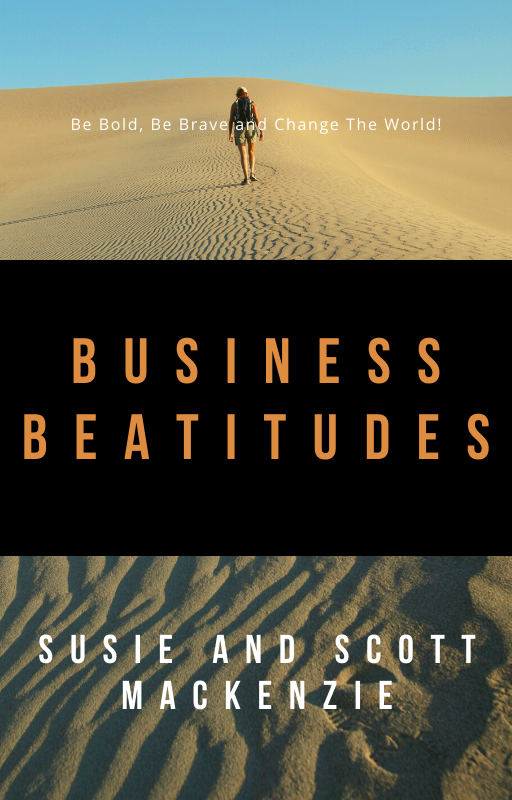
Do you desire a more joy-filled, deeply-enduring sense of accomplishment and success? Live your business the way you want to live with the BUSINESS BEATITUDES…The Bridge connecting sacrifice to success. YOU NEED THE BUSINESS BEATITUDES!
TAP INTO YOUR INDUSTRIAL SOUL, RESERVE YOUR COPY NOW! BE BOLD. BE BRAVE. DARE GREATLY AND CHANGE THE WORLD. GET THE BUSINESS BEATITUDES!
Reserve My Copy and My 25% Discount
Transcript
SUMMARY KEYWORDS
Marketing complexity, human element, AI impact, tech stack, personal brand, storytelling, know, like, trust, marketing efficiency, nimbleness, human connection, marketing strategy, digital slop, company success.
Hey there, and welcome to another installment of Ask Molly. It is work in progress. As you can see, I don't have any music, no buzz, no fanfare, no nothing. This is really, quite frankly, a podcast about getting things done, or taking some of the problems that I deal with on a daily basis and try to get some answers by asking my daughter Molly, because that's what I do. Because I want to, I want to know what is happening out in the marketplace from an industrial perspective, and how I can, and how she can help simplify that. I i I run away from complexity. I really do. I think that we have an obligation to help companies succeed in the simplest possible way. Here's my beef. My beef is that when I have conversations with some people, it's, it's it's like I have to use a decoder ring. I don't understand some of the things are we making? Are we making marketing too complex? That's what the topic is. And I think we are. I think that once I have to pull out a decoder ring, I that's a problem, and I'm going to lose everybody. Because I think people are just inundated, which they are. You can't, you can't change my mind on that. Either inundated with information, a tsunami of information. Do this, we do that. We add this value. There's that. Your inbox is just full. Sorry, I got a little thing in my throat, so I'm going to be clearing it. But doesn't matter, because we're moving forward. We're making things happen. Anyway. I look at that, and I'm not, I'm not unusual, and I know you aren't either, that you just gonna want to scroll on through and you don't even look at it, and then that's a real that's a problem, right? Maybe there is some opportunities for success, but you're not, they're not. You're not looking at it. I'm not looking at it. So I'm just, I'm just here to say, hey, why don't we simplify it? What are the challenges that do exist out there? And I'm and then once you understand the necessity and take that business and just boil it down even more, you realize that once you are able to connect with that individual, because it's once again, it's all about the people. It's all about know, like and trust. It just is, then there is this effort or their desire to know more, right? If you don't establish that know, like and trust, it's hard to get them, get your customers, or targeted customers, to go on to the next step. It just is. Maybe you're unusual and boom, you don't have any issues with that. Great Good for you. Thumbs up. Move forward. But I think the majority of companies, specifically an industry which I believe you need to succeed. I think there's a moral imperative for you to succeed, and we need to do a better job at helping you out. Once I they get it right, then there is the opportunity to truly be able to to, you know, provide the solution that addresses their challenges, their pain, and then addresses how you can help them expand, grow the gain, Right? It, it exists out there. What I believe that is necessary is, and this is bothers me. I'm telling you, I I look at my computer, I see things flying in using terms that I don't understand, that jargon that just sort of sits out there. It's tough, it's tough and and maybe it's pride, maybe it's bright. I don't, I don't believe, I don't believe people want to feel stupid. Simplify it help. Because I don't believe people are stupid. I think that if you jump too far ahead and you're saying to yourself, that is great. This is what we do. This is how right over here, it's hard for individuals to make that connection and and again, get down to that personal level, I don't want to feel stupid. I want to deal with people that I know, like and trust a high beer factor. Beer Do you want to have beer with this individual and be able to have a conversation about solving their challenges and helping them grow? Yeah, I like those conversations with people that I like. I. And you do too, because we've all been down the road where we're trying to help work with individuals that we're not connecting. We're not on the same page. They just look at the world ever whatever it might be, it's, it's, it's not productive. So we want you to be productive. Okay, in this in this conversation with ask Molly, we definitely dive into, are we making marketing the marketing efforts? You're a company, you have a marketing organization, or you're a company, and you're looking for a marketing organization, you need, no doubt, you need to be able to get that message out. You just do. Let's just lay it out there. No matter how painful it is, you need to get that message out. I'm here to say, let's make it simple and again, and I will continue to harp on it that the easiest way of being able to do that is to be able to tell your story. That's it to create that personal brand for your company. You people want to deal with people, right? So you've got to do that, tell your story from that you're able to create the marketing, the contents, the all of the stuff from that person, and it's human. And I believe in this world of AI, that as we continue to push to less human, there will be a hunger for more human, and it's already happening with me. And again, I will say that maybe I'm an anomaly. But you know, as well as I do, you receive emails, you know that that's created by an AI, something, and it, it lacks soul. It lacks that personality. It, it just does and and we're here to say no, tell your story right here, add to it, transcribe it. You can do that, but it's your voice, your thoughts, your message, and then be able to create the content from there. It makes sense, because it it that human element permeates everything that you go through produce right there. Boy, am I on a soapbox. Anyway, we're gonna have more. You can tell I'm pretty passionate about it. And the reason I'm passionate about it because I think, again, in my heart, you have a moral obligation, moral it, it's that soul to succeed and to do everything that you can, because people depend on you. The market depends on you. Society depends on you. They do and don't ever minimize the impact you have in the market, especially in the world of industry. Guys are heroes, and we got to tell that story. You have to tell that story be human. All right. Here it is again. The topic is, are we making marketing too difficult? And I'm saying yes, we are. And I'm saying we can simplify it. And I'm saying that once you simplify you can achieve tremendous success. I'm just telling you right now. So here enjoy ask Molly. Hi Molly. How are you I'm good. How are you dad? They get to ask you questions. That's that's always good. That's what we're here for. Outside of a family gatherings, I get to still ask you questions about marketing, things that are near and dear to my heart, things that could consider, I guess I could be frustrating, but I don't want to be frustrated, and
that's why we want to eliminate frustration. You know, how can we how can we simplify and yeah,
yeah, not be frustrated. Yeah.
It's an it's a noble goal I don't want. So with that said, let's, let's dive into this particular topic. Listeners, we were talking offline. Of course we do, because she's my daughter, and we talk offline quite a bit. But the reality is, is that I pose this question and and because I experience it all the time with other clients. Do we make marketing too complex? So here's the here's the example. So somebody comes to me, starts peppering me with jargon, starts talking about all of the shiny objects that exist out there today in the world of digital whatever, and I can research that. I can get this information. I can just I can, I can go down a rabbit hole, yeah, forever, and not do anything that's tactical, in the sense of all forward. It's burning time. Do you find that? And I. I mean, I don't mean to put you on the spot, but I think that. I think we make things too complicated. You agree? Yeah.
I mean, the first thought that I was thinking of is the tech stack, as they call it, you know, the marketing tech stack.
So see, that's just right off the bat. It's just my my ears are bleeding. Go ahead, yeah.
Like a lot of times, the conversation, I feel like, starts there, and then, you know, you have to have this subscription to this platform, and then this platform, and then, oh my gosh, you've got to make sure that they integrate. And then, oh, you definitely run into some tech issues with that, because the integration is off or so then you're going down the rabbit hole of building your tech stack to make sure you have all the pieces and parts in place so that the marketing funnel flows, and then you spend, I mean, I don't know how long you do that. And have you improved any of like, have you produced any anything marketing? Have you, have you moved the ball forward with any prospects? I mean, possibly not, because you're spending all this time, yeah, making sure you have all the tech in place and all this stuff, and you've done zero to have a conversation with a prospect, understanding their pain points. You get so bogged down in the tech, which is all fun and shiny and really cool to think you know, tracking your lead with a UTM link, whatever, like the links that you create to be able to track, like, for example, a social media Yeah, Let's put a tag on this social media link so that we can track if someone clicks. We know that they clicked because of this LinkedIn ad, for example, or whatever, like a Google something with a you're just tracking where's the lead coming from. But anyway, you get so bogged down and getting all these pieces and parts together that, I think it, it's that progress. What is it progress over perfection? Or you try to make it all perfect, and then you don't make any progress. So it's over complicated. You know, you over complicate it
all, and then, and then you get what I gather, I, fortunately for me, my bench is very shallow. So I don't have to keep things really too complicated. But what I do in the in companies that I do talk to it because it's so complicated, they forget that, that they just they just forget it's just a chaotic mess, and it's and as you proceed forward, you forget that you have all these tools. And I'll tell you right now, I'll be, truth be told, when I first started on this journey podcast elevator and talking about what's going on in industry, I was very much attracted to all of the shiny objects that are out there, yeah? And I come to realize that I need to taper it off and it I come to realize that no matter how, how technically savvy I was, it always got down to just having a conversation,
having a conversation, yeah? And I think you get Yeah, you almost like lose sight of the why, why are we building all this stuff? Oh, to have to give our potential customers the best information, and you get bogged down in all the minutia of building it out. And then, my gosh, I feel like, what inevitably happens is that, because you don't have a good foundation of how you're gonna, like, I'm just thinking of building like a campaign in one of these technology, one of these platforms, you don't have a good system for naming the thing. And so then you're, you start creating drafts, and everything just compounds on itself, and then it's messy, and then you really don't know where to start, and then it just, like, goes boils down to, like, simplicity, like, have a good foundation, because, because, then I think the chaos happens when you've, you have, I'm just thinking of like, let's say like emails. I know we talked about emails before, but if you don't have a good template in place, then every email that you create from there, it probably you're not building off of the template, the solid template, to begin with. So then you're spending time trying to get the pieces and parts in place, and then you start messing with the template. And then now you've got all these drafts in the back end of your system, and then you're spending all this time trying to find the right one. So it's like there's this element of you're wasting so much time. I. Um, because you wanted to implement all these different tech things. And like I said, you know, you just lost sight of, like, what's important.
And it's almost difficult to just sort of back out of that. You don't standing up and just say, Hey, I think we're just making this really complex, and I don't know how to back.
Yeah, you get so you get so you start to learn the way to do the thing, even though it's broken. And you you teach yourself, this is how I do this broken path. And then you just continue. You then you feel like, I can't slow down to fix the thing right, and then, yeah, it just compounds on itself, I feel like, but I absolutely agree. I think the shiny technology out there can take away, take your eyes off of what is really important in marketing. And like being very specific, specific and strategic about the tech that you purchase, and then also recognizing that, like, you don't have to have everything to begin with. You know the need, let the need arise, and then you address it, but don't purchase everything, because you're you're thinking ahead and thinking this needs going to happen, or whatever. You know. Let just get what you need right now today, build it well, and then address adjust as needs arise.
See, I think that's a brilliant approach, because if you have all this technology, this technology stack, this marketing stack, it's a stack, and it's a stack, it's pretty it's almost a great exercise to recognize and see this stack and look at it. It's physical, whatever you got it on a spreadsheet. I don't know where you have it, but you have noise, and then really have a solid assessment of the value, because I look at it this way. It's like, you know, if I could taper off, get down to some core solutions, then the value of and I look at it from a graph perspective, I'm I'm 85% effective, yeah. And the question is, do I want the additional 15% or 10% or 5% more? What does that look like? But I think you can get to 85 or 90 or whatever, with a core stack of solutions? Yeah, I think
I agree, and I think if you have really well defined, let's say pain points or the value that your solution brings, just like that, the marketing messaging, if you have that really well defined somewhere, then a short or a small amount of marketing technology, it can go a long way, because you again, it built it off of a good foundation, and Then the different teams, different individuals that you have in your organization, if they're all working from a really clearly defined this is the problem that we're solving. This is how we're solving it. Then everything you know that whoever's in whatever tech, we're all coming from the same place.
Do you think because I'm all about I'm all about speed, I wanted to be fast. I'm less about and maybe, you know, I've gotten myself into trouble, but I'm less about perfection, yeah, and more about speed and turning it around, because I think that I can adjust, I'll be nimble enough to be able to say, I'll go over here. Do you find larger companies versus smaller companies? Larger companies less nimble? And I don't get it.
Yeah, I mean culture, the team is definitely working with different teams. You know, you've got, it's like the ship is so much bigger to move. And so if you want to adjust something, you have to, there's a lot of different conversations that you have to make, or have to have to make adjustments. I think it's, it's a benefit for smaller companies to, you know, lean in, as they say, but lean into that you don't have all this red tape that you have to go through. I mean, if someone, if there's a need that arises, if someone sees a broken process, and. I would imagine it's pretty let's have the discussion today about that. Let's implement it tomorrow.
I think you can. There's a quicker turnaround of
making changes.
I think you have to have that on the on the front part of your mind all the time. And I think that larger companies and and maybe this is a cultural reality. They don't like people making mistakes, right? That there's just a an aversion of people making mistakes, or the feeling of that versus, yeah, it's not the case.
And then there's that, that element of
we've talked about in the last episode, but the heart that cut in the larger company, I would imagine, if a system or a process is broken or it's not really working as well as it could, who's really, really invested enough to take your baton and say, I'm gonna fix it, like, I'm gonna do this for this, you know? And, yeah, and then you just, again, you're just working with a broken process, or it's just, this is how it is here. And then you just say, that's, you know, you just move on from that, like you don't take the time to address it.
Yeah, see, I agree with you 100% and I nobody's going to step into that. Nobody's going to say, Hey, I'm going, I'm going to do it, or whatever it might be. And I agree with you.
Let's shift a little bit and and so
me, personally, and the background that I have, I've come to the realization, given Ai, given all of the technology out there, given everything that and it's, it's, it's as if the technology is trying to to remove and extricate the human element, so that companies can just sort of push out. I heard the digital slop without it, just push it out and and then go and just try to do it. Do you find that be the case?
Yeah, and I, I was having a conversation with an individual a few months ago, and she was saying, talking about how quickly you can go to market, like you have an idea about something, and then you can go into AI and get it to generate for you website copy, like your email sequence, you know, suggest what's how Are we going to get people on our email list? What? What's the like? You can get into the market so fast, but it does, and a lot of people, you know it, you say, okay, here I'm not, this is what I'm going to follow. And I think there's just that element of that. I guess it's laziness, but no, you still need to use your brain and still read over what it's producing and then make it personal. Because I think, like our biggest asset right now is our personal voice, because AI is not a human. You know, you have to take that time to that's a worthy, that's a worthy use of time to
to edit and draft and write.
But it is. It does. Man, I mean, it's a slippery slope, because you can just start relying on what AI is producing it, and it's pretty good stuff, like it's, obviously it's, it's getting better.
But don't you think there's going to be a point where, and it's already happening today for me, right? I can tell when something's been AI generated and and I don't take it with any seriousness. I it's sort of where I'm I'm, in a sense, like now you're not, you didn't care about me enough to be able to create a piece, you know, an email, and whatever. And I, you know, I get sour grapes about the whole thing. And I think that as as AI continues to improve, they The reality is, is that it's just, it's all going to be, any communications is going to be AI.
And that's interesting, because I'm thinking about like some communications I get from other companies, and it's almost that you have a hesitant, at least I have a hesitant feeling, wondering, was this, AI, can I can I trust? There's a lack of trust that's kind of brewing that, and almost, I guess, as a marketer, on the business side of things, it's like, I don't want to be, I don't be snookered into, like, thinking that you wrote this. And so I'm just going to assume. It's all AI, and then I care less about it, like, I don't want to get I don't want to get gypped, or, I don't know, that's an interesting thing, that there's, like, almost an adverse, like an aversion to, yeah, I don't want to be taken. I don't be taken. I don't want, I don't want to give you my money. If, like, your entire campaign was built off of
AI, see, and it's companies, and I'm trans, I'm taking this conversation. I'm going someplace, but it seems like companies in the pursuit. I can't find the right people. I can't get that messaging. I can't and then I'm a boy, I avoid making mistakes, therefore I'll depend on whatever AI platform that I have to be able to produce whatever I need, the campaigns, whatever it might be. But I look at it in such a way that that over time, I'm not going to trust anything. Yeah, and, and, because it's very sophisticated, and you can tell because it's so well written,
it's like, nobody, yes, no, not me, right? But then
you, you have that pressure of, like, I was saying, that things are produced so quickly, yes, that then you, as a company or an organization, you think, oh my gosh, they're getting their stuff out so quick. I like it's almost challenging yourself to not stoop to that level, like, trusting that the creative process is still important. Yes, having our own thoughts is still important. But it's hard to believe that when other companies are spitting things out fast, and you start to question, like, is it really worth my time to write this email? I actually don't know, because I it's gonna, like, it's gonna take me a lot of time to do this. It what's the return? And that goes back to like, if you have a nimble, small marketing flow, yes, then you can track the the impact. Because I also think you know, you start implementing AI, and then you start to think you can do more than what you really can, yeah, like, Oh, we've got AI, we can, we can generate
white blogs and papers.
Then you're like, oh, I can. I can do the work of like 20 people. And so then you start to kind of get into that mindset that more is better, more is better.
And then you're scared to to
back off and say, I'm only one person, or I'm only three people, this is all we can really handle. And this is good. Let's make this really good.
And it's a tsunami. Yeah, everybody, you know, I can. I can be 20 times more productive and and you can, and right? And you can, and it's just all of a sudden, the human side, which is here, which is now, it doesn't go away. There's no way I can process that.
I was literally, I was listening to a podcast this morning about how our brains were never meant to to hold this much information, like to have this much input, and to then have critical opinions. You know, we're in it. We're in an age right now where everyone has opinions about everything, but we were never meant to be given this much, fed this much information. Then you start to think, how Wait. Oh, everyone has like this, X company has has a stance on all of these different topics and has input on it. You know, you start to think you have to be the expert at everything, yes, because it's like the little the little carrot with, with AI, you know, because you can get to more stuff. But it's, it's false. I think we were never meant to, you know, hold this much information, hold this much Yeah, agreed.
So here, here's where I would use AI, and I do use it this way, because it is a time saver. So I'll take this conversation you and I, I can put it into a program and say, just summarize it. It takes our words and words, yeah, it's great, fine. I'm all in. Helps me out, helps everybody else who's listening. And so that's good. The other thing I want to what as we, as we talk through this, I find that we're talking about compressing that marketing stack. You got to just sort of be. A little old school, in a sense, compress it, leverage the technology in the way that is necessary, right? Yes, you can't. You can't extricate the human side. You can't, don't, yeah,
think be okay with the uncomfortable feeling of like, Oh, we're taking a step back. Yes. Be okay with that. Give it a chance. Give it a chance. I mean, because that's all we had. I mean, when did AI, when the it
was like,
a chat GPT, just one day it was wasn't there, and then the next day it was there.
I Yeah, yeah. Be just try to go back and, you know, use AI like you were just saying to be more. I really feel like it's important if it's based off of what you like, a conversation with our words. You know the source material is, is genuine? Yes, a genuine like coming from my brain, your brain, the source of what you're building off of, is there. But to be Yeah, to be okay, taking a step back and simplifying,
I think it is yeah, yeah. And I think in that pursuit of simplification. It naturally, I believe, and I could be completely wrong, that you retain the speed, the nimbleness and the human side associated with any of the campaigns. That's how I look at it.
I'm not saying you become more efficient and more
embracing speed, because you have AI, no, I'm saying you, you've tapered it down. You, you are keenly focused on getting things out, but from a human perspective, then do it again.
There's also that like being open to learning. Yes, I was just the, you know, because we are in such a fast paced world again, I'm trying to remember the words on this podcast I was listening to. But, you know, we were meant like the best use of time is to contemplate, to give your brain space to think yes and to to read good information, but, but to to not see that as a waste of time, because, I think, and be open to learning, because once you're once you learn, then the marketing can just flow really naturally From that, because you're actually, yeah, you're really thinking about it. You know, it's important to have, like, make time for those. Make time for that. It is still important.
Yeah, I agree with you 100% I think you're absolutely right. And having that permission to be able to learn, constantly learning. Yeah, it's not a bad thing. I know that I I have to. I can't, I can't, I can't just bang away at the keyboards 24/7 and think that I'm being impactful. Yeah, I just, I'm just not, and it's just again slop. But the reality is that there shouldn't be and given, given what we have available at our fingertips, we should be able to get the best information, to be able to feed the intellect in such a way that that that were productive. So, yeah, exactly. We'll start to wrap this up, because what I hear, what I see, what I what has been, sort of my pain point was one, we make marketing so complex, so companies that are small to mid size, and they go to a marketing company and they speak the jargon. It sounds complex. It's almost as if they gain value if I make it as complex as possible. That's why I'm important,
yes, yeah, and it's not the case.
And if I'm sitting here and I can say we don't have to make marketing. We can be every bit as efficient and impactful and not make it complicated. I believe that, and I know we can do that. So that's one, why that technology stack? The two is that I don't see how you can ever remove the human element. You should strive. You should press into that and say, No, I will not. I'm going to be human.
And that takes discipline. I mean, yes, like daily discipline to not get lured into. Well, if I just this will help. Speed up this. You know one thing I'm trying to get out the door, or whatever it may be, yeah, to really discipline and say, No, I'm not gonna, I'm not gonna do that, because it's that, as I said, it's a slippery slope. And then, and then the people that you're talking to, they start to get suspicious, and they can start to see the voice changing, and then you're losing, you know, think about like, the goal is to have that, know, like and trust, yes, keep that, you know, at the that has to be priority of a very high priority. And I think AI definitely strips you of that, and the feeling that we have to do more, we have to do more, and then that's where the over complication starts. And I'm even thinking like, you know, just things like titles of webinars or descriptions or whatever, you know, we're starting, we start to lean on to AI, and then yes, and then everything's just watered down. And then, and you can take, you know, it's like your own it's your own fault that it's starting to get over complicated.
It is, you know, I remember. And to your point about a title, right? I remember learning years ago. So I'm, I'm saying, what would be that catchy title? How would I, you know, frame that title and and I would sit there and just wrestle and find and try to figure it out. And at the time, yeah, it was miserable, yeah, but I just didn't know any difference, so and so, yeah, you did it.
But well, and that's, that's another side of it that I think there's this thought that I should be better at doing this. This shouldn't feel so hard. Yeah, like this is, this isn't fun to try and iterate on a, you know, make this as good as it can possibly be, or a catchy title. You know, that's the learning process. Like we were so adverse to discomfort and challenge, like, oh, I shouldn't be. If this is too hard for me, I just must not be good at it. So let me just go into AI. But know that that, I mean, if we're just, if our goal is to strip everything that's uncomfortable, then of course, what we're producing is going to be, it's going to morph into, what did you call it slop?
Yeah, slop. And it is. It's a I slop and it and you're, you're spot on with that one. You're spot on,
yeah, go ahead, go ahead, yeah, just, just don't be,
you know, see it like, especially a small to midsize company, I think, like, take away that mindset that the big companies have something figured out, like that. They're producing things quickly, all that stuff. But it's actually like you spending time it or thinking through catchy titles, all you know, being uncomfortable. That's going to, like the exponential, you know, you will exponentially grow once you get through the painful process. Because big companies are so quick to just, we gotta we gotta go. We gotta go. They've lost the need so they think to be uncomfortable and to work their brains. But use that as, like a superpower, you know, because you're a smaller company, yes, it's going to help you have a stronger, a stronger marketing presence, because you're taking the time now,
you know, yes, see, I like that. And so if I would, if I were to encapsulate our conversation, this is how I would do it, I would say, first, you cannot and you should just continue to pursue the human component. You got to do that. Yes, yeah, reduce the technology stack and recognize the know, like and trust, right? Yeah, pursue that, embrace that and and move with speed. And I guarantee you, if you can really begin to embrace that human side, all of these other tools sort of fall into place, you will set yourself apart. You will be different. You will be noticeably different, because in that digital or AI slop, you can tell the difference. You can
getting smarter, yeah. I mean, because it's Yeah. I mean, before it could have been harder to notice, but now, I mean, we're reading it. You know, our brains are getting accustomed to it. I had this funny sidebar, but I. I was trying to actually write something, and it got critiqued because it sounded like AI. And I thought, Oh, this is so interesting that like because I am probably taking in so much AI, copy and content that then my own writing ability has been jeopardized. I didn't know that isn't that interesting. So I think that's just like a while be aware, because what you're taking in is AI. I mean, everyone's doing it that you know you're Yeah, and I think just like going back to that simplifying the tech stack, just remember that. Don't say that because we have AI that, you know, we can do all of this stuff like that's where you start to get in trouble.
Yeah? And the reality is, you're always dealing with people, that's it. Yeah. Better not you know, better not let that part of your brain die. You better have a high beer factor. You better. Want people better. Want to hang out with you and yeah, just recognize that. And that comes through a consistent desire to show your human side, yes, yeah, all its blemishes and ums and laws. It just is and and I guarantee you, as time goes on, I I'm not prognosticating here, but I think that as time goes on, I think there will be a greater passion and desire to gravitate towards the people who are real,
yeah, yes, like there's going to be a pendulum. The pendulum will swing, and then yes, people are going to because that's we're made for community. We're made for one on one relationships with people. Yes, it's in us. So we're going to seek that out. Whether we know it or not, you know we are,
and I think that's, that's, if you're, if you're a small to midsize business, you need to take this to heart, because I think you need to recognize, and I'll say it all the time. You need to, you need to show that human side. You need to tell your story. You need to, I don't care what
and what. What's great is that you, you have that opportunity like that's That is such a great positive element, piece of the year company, because you are small, because you are mid sized, you can do this. How cool
is that? Yes, you know. And yeah, it's and I think the market itself will, I know I do. Somebody says, Hey, Scott, look at our stuff. Okay, I'll look at it. I better see some human stuff in there, or I'm not going to be attracted to it. And I think your generation is will always go down that road, and they will do the research that is necessary, and whenever you recognize the necessary, if your content is out there, be human, because they're looking at you, they're not engaging. And I think this could be another topic, but if you create a culture that's human, you'll have a better opportunity to attract the talent that you need to be successful?
Yeah, there, I agree with that soapbox.
No stepping down.
I'm off of it. Now. You can tell I think about this quite a bit. Yes, well, you're wonderful. You're always wonderful.
I think it's a valid question. I think, I mean, we're just going to continue to see the implications of what AI is doing. I mean, it's just gonna there's new things that are being created and, yeah, staying disciplined, staying true to Don't, don't take the easy way.
No, it's so funny. But in that, that process, again, I can search anything. I can research anything. It's simple, and I do it right. I was wondering why coffee mug? Some coffee mugs are hotter than others when you put them in the microwave. Well, interesting. Yeah, it's like, I, I reached into the microwave, and, of course, I burned my hand, and I was, I was aggravated. Why?
Why did it? It's glaze, like, the the sealant on it,
yeah, yeah, glaze, higher metal content. How about that? Didn't know that.
Didn't know that. Yeah, people listening. I mean, look, you're
gonna learn something very, very interesting.
Yeah, go right there. Ai, thank you. I'm learning. So anyway, yeah, I just, I think that, to wrap this up, you gotta, I don't, you've got to be human. I just and then the technology that you decide to use to be able to get that messaging out sort of falls in line a little easier. It's not not shiny objects. It's not AI saying, I'm just researching things for the sake of researching things, and it goes into a black hole. I say that's more efficient. Okay, there you go. Thank. You, I agree Be on the lookout for the next Ask Molly, because she's cool. Definitely gonna wrap this one up on the other side. So stay tuned. We will be right back.
You're listening to the industrial talk Podcast Network. Yep.
Good facts, right there. We are making marketing too difficult. We don't have to make marketing that difficult. We can definitely strive for the human element and be able to do that effectively and use the tools that are available to be able to create the content the marketing you know, campaigns from these conversations, you just have to be able to tell that story. It is. It's, you know, if you have the budget to be able to have a marketing team in place to be able to do all of this stuff and God bless you, that's great. That's fine. I believe in this world, the small to mid size, even large companies, need help. You need to tell that story. You need to put yourself out there, and you're going to say to yourself, but Scott, you can tell the story. You can, you do it. And I'm just not wired that way. I'm here to tell you, you go out to industrial talk. You look for my you know, early podcasts and you know what they they reflect, they stink, they absolutely sink. Maybe the message is good. Maybe it's something that I was very passionate about. But the ability to be able to communicate comes over time. It is a part of being persistent. You can do this. We're here. Industrial talk is here to help you be able to deliver that message and help you become more consistent and as well, more comfortable in the ability to be able to market and get that message out there, yeah. How about that? For a plug, you can do it. If I can do it, you can do it. It just requires that commitment. And I'm telling you you need to do it. You need to just hold on tight to that human component and and hold on tight to driving to simplicity you want to connect with the company. Don't hammer them over the head with jargon and complexity. Don't make them feel stupid. We want you to know I can trust you. And they want to be able to sort of move forward, because I've got some pains. Every company has pains. If you come across a company that doesn't have challenges, wow. If you come across a company that says, hey, you know, I'm okay, man, I'm okay. Where I'm at, that's another Wow. No. Every company has challenges. Every companies have a desire to grow, period. That's it. That's business. Be a part of that, to be able to help companies achieve that, and that comes through being human. I'm on a roll. You can tell I'm on a roll. Anyway, beer factor, that's going to be the next conversation. It might not be, but I'm going to throw it out there. Beer factor. I'm owning it all right, we're going to have another we're going to have another Ask Molly. We're going to continue this series. Oh, be on the lookout for one another podcast called Business Beatitudes. Yep, that's talking about the soul of the individual that's talking about the soul of companies, that what, what differentiates companies? And I believe, I believe
it's generosity,
it's creating hope. It's the virtues of that I believe are so important for companies to differentiate yourself, specifically in this world where we're trying to remove all of the human side and the soul, I'm here in the business, beatitudes to say, nope, nope. Companies. Companies can possess these qualities, these virtues of generosity, humility and and be able to do that effectively and help succeed them. You know, in the future, I love these topics, all right. Another ask Molly will be published shortly, so stay tuned.