Jay Allardyce with Octave
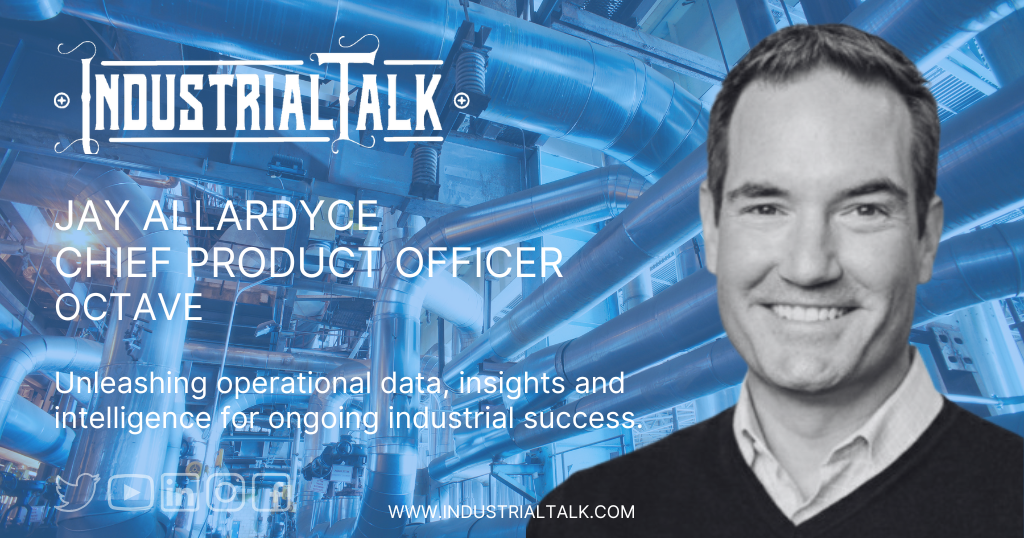
Industrial Talk is talking to Jay Allardyce, CPO at Octave about “Unleashing operational data for greater intelligence and insights for industrial success”.
Overview
Scott Mackenzie hosts the Industrial Talk podcast, featuring Jay Allardyce, Chief Product Officer at Octave. Octave, formerly Hexagon, focuses on asset management and operations, leveraging data to drive efficiency and innovation. Jay discusses the importance of data accuracy and context, emphasizing the need for a robust data foundation to support AI applications. Octave's platform integrates design, construction, and operation phases, aiming to simplify workflows and reduce costs. The company also supports co-creation with customers through Octave Colabs. Upcoming Octave Live event is scheduled for June 17-18 in Austin, Texas.
Outline
Introduction to Industrial Talk Podcast and Jay Allardyce
- Scott welcomes listeners to the Industrial Talk podcast, celebrating industry professionals for their bravery, innovation, and problem-solving skills.
- Scott introduces Jay Allardyce from Octave, a new company in the market, and discusses the importance of technology and the speed of market changes.
- Scott mentions Octave Live, an event taking place on June 17-18 in Austin, Texas, and encourages listeners to support industrial education and the next generation of industrial leaders.
Jay Allardyce's Background and Role at Octave
- Scott transitions to the main conversation with Jay Allardyce, who is introduced as the Chief Project Officer at Octave.
- Jay Allardyce shares his extensive background in technology, including roles at Hewlett Packard, GE, Uptake, Google, and Inside Software.
- Jay discusses his co-founding of Gen AI Works, an AI community focused on helping people discover, learn, and grow through AI.
- Jay explains his current role at Octave, focusing on the built environment and industrial applications, and his excitement about the future of data-driven experiences in the physical world.
Octave's Mission and Market Position
- Jay elaborates on Octave's mission to drive lifecycle value in the design, build, operate, and protect phases of industrial projects.
- He emphasizes the importance of data in simplifying workflows and reducing costs for large EPCs (Engineering, Procurement, and Construction) companies.
- Jay discusses the significance of repeatability and efficiency in the construction industry, and how Octave's platform helps manage changes and costs effectively.
- Scott and Jay discuss the importance of data in driving innovation and optimizing asset performance, highlighting the need for accurate and trustworthy data.
Octave's Platform and Technological Advancements
- Jay explains the transition from Hexagon to Octave and the benefits of focusing on a pure-play software company.
- He describes the platform's ability to integrate multiple workflows across the lifecycle of a project, from design to operation.
- Jay highlights the role of AI in creating new value and optimizing supply chains and maintenance rounds.
- Scott and Jay discuss the importance of building a robust data foundation to ensure trust and accuracy in AI-driven insights.
Octave's Customer Base and Future Plans
- Jay shares insights into Octave's robust customer base, including large EPCs and public safety organizations.
- He discusses the company's focus on expanding into new markets and creating new applications using AI.
- Jay emphasizes the importance of context and trust in data to drive innovation and value for customers.
- Scott and Jay discuss the potential for Octave's platform to revolutionize asset management and create a more efficient and reliable industrial ecosystem.
Conclusion and Call to Action
- Scott wraps up the conversation by encouraging listeners to support industrial education and inspire the next generation of industrial leaders.
- He highlights the importance of telling industry stories to bring awareness and attention to the next generation.
- Scott invites listeners to connect with Jay Allardyce and Octave for more information and to explore the opportunities in the industrial sector.
- The podcast concludes with a reminder of the Octave Live event in Austin, Texas, and a call to action for listeners to engage with the Industrial Talk community.
If interested in being on the Industrial Talk show, simply contact us and let's have a quick conversation.
Finally, get your exclusive free access to the Industrial Academy and a series on “Why You Need To Podcast” for Greater Success in 2026. All links designed for keeping you current in this rapidly changing Industrial Market. Learn! Grow! Enjoy!
JAY ALLARDYCE'S CONTACT INFORMATION:
Personal LinkedIn: https://www.linkedin.com/in/jayallardyce/
Company LinkedIn: https://www.linkedin.com/company/octaveintelligence/
Company Website: https://www.octave.com/
PODCAST VIDEO:
THE STRATEGIC REASON “WHY YOU NEED TO PODCAST”:
OTHER GREAT INDUSTRIAL RESOURCES:
NEOM: https://www.neom.com/en-us
Hexagon: https://hexagon.com/
Arduino: https://www.arduino.cc/
Fictiv: https://www.fictiv.com/
Hitachi Vantara: https://www.hitachivantara.com/en-us/home.html
Industrial Marketing Solutions: https://industrialtalk.com/industrial-marketing/
Industrial Academy: https://industrialtalk.com/industrial-academy/
Industrial Dojo: https://industrialtalk.com/industrial_dojo/
We the 15: https://www.wethe15.org/
YOUR INDUSTRIAL DIGITAL TOOLBOX:
LifterLMS: Get One Month Free for $1 – https://lifterlms.com/
Active Campaign: Active Campaign Link
Social Jukebox: https://www.socialjukebox.com/
Industrial Academy (One Month Free Access And One Free License For Future Industrial Leader):

Business Beatitude the Book
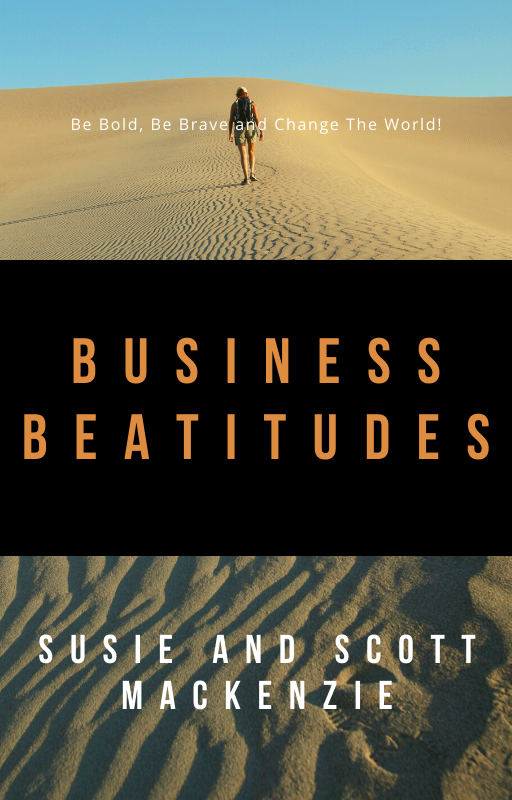
Do you desire a more joy-filled, deeply-enduring sense of accomplishment and success? Live your business the way you want to live with the BUSINESS BEATITUDES…The Bridge connecting sacrifice to success. YOU NEED THE BUSINESS BEATITUDES!
TAP INTO YOUR INDUSTRIAL SOUL, RESERVE YOUR COPY NOW! BE BOLD. BE BRAVE. DARE GREATLY AND CHANGE THE WORLD. GET THE BUSINESS BEATITUDES!
Reserve My Copy and My 25% Discount
Transcript
SUMMARY KEYWORDS
Industrial Talk, Octave, asset management, data insights, technology innovation, AI integration, lifecycle value, design-build-operate, supply chain optimization, public safety, digital twin, customer collaboration, operational efficiency, next generation leaders, industry challenges.
Scott,
welcome to the Industrial Talk podcast with Scott MacKenzie. Scott is a passionate industry professional dedicated to transferring cutting-edge, industry-focused innovations and trends while highlighting the men and women who keep the world moving. So, put on your hard hat, grab your work boots, and let's go. All
right. Once again, welcome to Industrial Talk. Thank you very much for joining the number one industrial-related podcast in the universe that celebrates you, industry professionals all around the world. You're bold, you're brave, you dare greatly, you innovate, you collaborate, you're solving problems each and every day. That's why we celebrate you on Industrial Talk. You are the heroes of this story. We have a great conversation in store for you. In the hot seat, we have a gentleman by the name of Jay Allardice. He's with Octave. Yeah, you're saying to yourself, Scott, I haven't heard about octaves. New, yes, Octave is new, and we're going to talk a lot about what Octave is bringing to the market, that strategic vision of what's taking place in the world of managing your assets, your operations, and getting the insights that you need to be successful, that's what Octave brings to the table. All right, let's get cracking. Yeah, so one of the, one of the conversations that we've had that I had with Jay is, is technology and the speed of the market, the things that are changing, and the, and, and the demands of what we need to be successful is fast, and, and I'm, you know, grateful, definitely grateful for companies like Octave that definitely know how to deliver solutions, and are nimble enough to be able to address the fact that this market is just constantly changing and evolving, and we just, in industry in general, need to be successful, and that is, as you will see in the conversation, that's a data conversation, that's a technology conversation, and it's just vitally important. Couple of things that I want to bring to your attention and put on your calendar. Well, really just one. We have speaking of Octave, Octave Live. I've got the website right here. It is on Industrial Talk. It is, it is June 17 through the 18th. It is in August, and it's.. I've been to past events, not with Octave, but with Hexagon, which is formerly Octave.. well, Octave was formerly Hexagon. The math is there, and they do a great job, and the technology is just absolutely brilliant, just brilliant, and the people, the individuals have such a tremendous passion to help you with maybe some of your operational challenges. It's all there, Octave Live, June 17 through the 18th. Put that on your calendar. Austin can't go wrong with Austin. Great food, by the way. Great music, great everything. Yeah, it's, it's, it's a great venue that's Octave Live, June 17 through the 18th. All right, if you've looked at my other past podcasts, well, really just one. I had the fortunate of opportunities to be able to be broadcasting from Penn State. Here is my soapbox, real quick. I'm not going to belabor it. We in industry now, I'll point at you. We in industry need to do everything that we can to support the education of skilled resources, industrial skilled resources, from from getting, you know, having that conversation when they're young, and all the way up through, and be able to provide that training that is necessary for industry manufacturing to be successful, we need to do that. Industrial Talk is a platform that is in complete support of being able to get that message out, get that message out of why it's important for us to encourage and to advocate and to inspire the next generation of industrial leaders, that's what we're all about. We need you, we need you to help us to achieve that objective, that purpose, that vision, that focus to be able to do that, so that we are, that we succeed in the future and be able to provide a. Uh, the the skilled professionals that are necessary for for moving us forward. Please go out to Industrial Talk, connect with me. Let's tell your story, because we need to constantly tell the story of industry. It's non-negotiable. We need to be able to bring that awareness and attention to the next generation, and to do that, we need to tell our stories. All right, on to the conversation. Jay in the hot seat, we had a great conversation, by the way. He's pretty cool, and, and what they're doing at Octave, it's pretty spectacular. I know a lot of the team players, and again, they're passionate about solving your challenges. Here's Jay. Well, hello Jay. Welcome to Industry
Talks.
How are you doing? I'm
great, Scott. Thank you so much for having me. And super excited to be here with you.
Got up, I'm excited. San Francisco is your area, you know,
my area just about an hour east, though, inland, and what they call the East Bay, but yes, part of Silicon Valley proper.
What's the name of it? I mean, he's just got, he's just got a general term on your stack card here, San Francisco Bay Area.
Okay, yeah, to be more precise, Danville, California.
Yeah, Danville, yeah. See, now you might not know it out there, listener, but I know Danville, and I know, saying to yourself, Scott, that's impressive. It's not
just
geography, just you just know your streets and maps.
It is, it's, it's beautiful country, by the way, guys. You guys, I don't know, man. I live right outside of New Orleans, and you know what's happening here in New Orleans.
No, what's that?
It's getting hot and humid, and then I have to mow my lawn all the time
because it's growing.
I live in there, Jay. That's it, man.
Okay. All right,
fun for me. All right,
New Orleans.
Yeah, all right. Before we get going in the conversation about Octave, all the great things that are taking place in Octave, I need for you to give us a little 411 on who Jay
is. Oh my goodness. Okay, I'll try to give a TLDR this. So, so Scott, I'm fortunate enough to be the chief project officer for Octave, which we'll go into a little bit more depth, but for me it's been 25 years in technology in the Bay Area, predominant for my entire life, and so last 25 years have traversed your companies as Hewlett Packard and ge to uptake to Google, and then a stop in a private equity back company called Inside Software, and more recently also co-founded Gen AI dot Works, which is one of the largest AI communities with a mission of helping people discover, learn, and grow through all things AI, and so, yeah, so been in technology, both on the business and technology side throughout, and here I find myself at Hexagon, now Octave, to focus on the built environment, or all things industrial, if you will.
So, here's the interesting thing, you've been in technology, have you just sort of been buckled in for the last 25 years, and the changes that have taken place in the and and all of the the mad solutions out there. How did this is just sort of personal. How do you, how do you maintain focus and say yeah that's good, because I again I'm looking at your LinkedIn profile and yeah, you've, you got you got a lot of stuff out there.
Yeah, this is, you know, this is definitely not the shiny penny, you know, syndrome, but, but I think perhaps it's the pattern recognition of, you know, where do you find your greatest enjoyment and impact, and you know, I think, you know, whether it's been cloud, mobile, social, AI, I mean, it's technology transformation. So, the question is, where do you like to apply it? And for me, I kept coming back into this industrial or physical world to say married data with things that we somewhat take for granted on a day-to-day basis, you know, a bridge, roadway, building, power plant, you know,
it's huge. Come on,
these things work, right?
Talk, of course, it's huge.
It's huge. I, I honestly think, like, someone asked me through the traversal of career, I said I've had the fortunate opportunity to, you know, transform businesses try to spin some out, build them from ground up, and at Octave, it's now culminating to all those things, but I think the exciting bit is what I think will be the coolest industry for the next generation folks to come and be a part of is. A data driven experience or use in this physical world, you know, could be a lot of people retiring, an opportunity to get a lot of new folks really encouraged and excited about something that I think is going to see a whole new level of excitement going forward. So, can be created to be part of.
Yeah, see, here's the funny thing, I've been in industry for more than 10 years,
yeah, four to 10 years, just just a little
10 years.
Anyway, I have never seen, and I wish I was younger, because what I see, just from A to Z, and everything in between is all the opportunities that can exist within the industry, and it is all being driven by the ability to be able to see the information and then act quickly and compress that time between notification and action, and you know it's, it's exciting, and I, I'm in line with your excitement.
Yeah, I think it is. A, it's a great bit of excitement. And it's talking with someone earlier this week about how do you encourage that the next generation to care about this, and I said, well, a lot of them been so enamored with gaming and other, you know, capabilities. I go, well, that's no different than how you would think about designing a building or operating a power plant, like so. How do you find these bridges to things that they're comfortable with today? And go, you can do this at scale in an environment that honestly needs your talent.
Geez, I'm ready to wrap it up. There
it is,
because I'm all in. I agree with you 100% That's outstanding. I believe here we are. Let me get off of my chair and onto my soapbox. I believe that this next generation, they think and look at challenges differently, and I believe they want to, they're disruptive by nature, right. And as such, I think companies will just go to the next level if you can just embrace that, that view, that youth. I agree with,
I fully agree. I think it's, it's, we were talking with a couple universities yesterday, and I said, like, you know, it's not the traditional curriculum that that you've gone through in engineering, albeit that is the foundation, but now you know people are being much more exposed to data. What's the situation? What's happening? How do I think about managing through this, and as you know, in the industrial world, especially in operations, it's a one to end problem. Things, so many different things can happen. There's there's nothing that is prescriptive in that regard. So, how do you build context? How do you build awareness around things that might be catastrophic to routine? And you know, we're all living in a world that's data first, so how do you, how do you make this interesting for that next generation?
Yeah, yeah, it's there, you know. We have conversations like this, Jay.
There we go.
You communicate your passion through it. You just do. You have to,
I
mean, it's got to be a conversation anyway, okay. So here we are. Your, your LinkedIn says nine months, you've been with Octave for nine months, okay? Chief Product Officer, cool title.
Yes, sir.
Talk to us specifically around why Octave. Why is are we heading? Why is Octave doing what Octave is doing? When I know the history of the platform, why Octave?
Yeah, so why Octave? Well, it started a couple years back, so it definitely predated me of this notion where the Hexagon Corporation had made an intent to spin out the software assets that those now being octave that really help to drive lifecycle value, and so let me explain it. In our physical world, you design great designs for buildings, roadway, bridges, power plants.
Yeah,
you have to construct those, and you then have to operate them, but ultimately you want to protect those, and so in this life cycle of design, build, operate, protect, we think of the value not simply of these individual applications or platform, but how work gets done, and so often our customers challenge us to really simplify that, so if I'm a large EPC, you know, engineering procurement construction, but the largest builders of the world. Well, they have to have precision of how they design, how they construct, and they want to avoid a lot of changes in the process, you know. Change equals cost, and you know, you cannot have a building, you know. Not be square in terms of how it's designed. I don't mean square by the definition, by principle.
Yeah,
so we're clear on that.
Yeah, say, "Hey, here comes that builder that just builds square buildings.
And so, for that, for them, it's it's about the repeatability, is the efficiency, and doing it in a way that is managing to cost and to customer expectation well for them to drive repeatability in that it's a lot to do with data and so often we think of it very transactionally versus in a life cycle of value and so it's a compounding effect that if you design something and you make changes way down the track in terms of operations, it might be 10 to 50x in terms of the cost, unless you maybe had tried to do it earlier in the cycle. So, how do you catch those changes? How do you refine that, and then how do you think about it when you're making a design change, what is the impacting material change that has an impact through where that material is being sourced throughout the world. So you have to connect all these disciplines in a way that is driving value for the largest construction builders in the world, and they've been trusting us for decades.
Yeah, no, I get to, and when we start talking about data, because we've mentioned data, and data, and I'm stubbing my toe on data, I'm hitting my head on data, data's everywhere, and it's coming from everywhere, and not just from an operations perspective. Here's my line, this is my manufacturing process, I've got devices out there, I'm pulling data, it's giving me the health of this asset. Fine, got it. And then I, I put it into, put it into some sort of, you know, AI algorithm, and says, "Hey, everything's good, everything's good. Whoa, we've got some vibration. That's great. I like that. And that always speaks to doing maintenance at the right time, so that you from a financial perspective optimize those assets and keep them going. I got it. What I was interested in expanding upon a little bit, so when we start talking about EPC, so I'm an EPC, I'm sitting there, I'm designing a bridge design. How about design? I wish they would design more of these water treatment. I don't know if they're doing that as much. Anyway, let's say
yeah.
Okay, water treatment. Here I am designing a water treatment, but I have so many different vendors and connection points that it is impacting the quality of that design. Are we saying that I can communicate with Acme Steel, and you know, Beta Motors, and whatever, whatever the vendors are. Yeah, I'm not very creative with names. However,
yeah, we're going with it.
Yeah, we're rolling with it, because I, I'm moving on. We're saying that the platform can be able to say, okay, here we go, give it to me, and be able to to ensure a greater success on my design of a water treatment facility. Is that what we're saying?
That absolutely is. And so, here's, here's the way to think about it, right?
That's my design. Yeah, so
when you take a pathway to design, say that physical structure will ultimately it's going to represent itself into a set of material. Well, that material has to come from somewhere. And for every operator, excuse me, every EPC, they're looking at ways to look at the cost, the efficacy, the sourcing of that material, and then the timing of it. So you have to factor not just, oh, I have this piece of material at this cost, you're looking at it to say, well, that is actually 10 days away, and, oh, by the way, I have a supply shock because a potential war or conflict or potentially Mother Nature, and so if you're trying to manage schedule and delivery, you have to think about that full life cycle, so the context is far greater than, do I just have the material available, and the beauty of this has to be where, if you're going to make a material change, you'll see that change in the design itself, and vice versa, and that's proverbially to the known of the digital twin, but of this of a design,
you said it. I was around, I was getting ready to say digital twin, but I didn't want to. Here's, here's an off topic. I interviewed the guy that came up with the term digital twin. You're welcome. I did. Yes, I did. That's why I'm famous. These guys are just saying, yeah, I just needed some sort of digital, digital representation of what's going on there, that it, yeah. So, so when we start talking about Octave, start talking about the platform. Term, we start talking about the, the, for lack of a better term, the Hexagon legacy platform going into Octave, right? Got it. What does that buy you? What, what does that transition from, hey, I'm Hexagon, now I'm Octave. We're going to be launching on, you know, going public, and we're going to do great things, but yeah, yeah.
o I think also, too, with the:Yeah, it's interesting. Yeah, you guys do have a pretty robust customer base that's been around that has seen all the changes that have stuck it out. It's they're pretty cool.
They are,
they
are, they are great.
So, as we, we realize that this particular platform, Scott's, it has real, hate to say, but it's, it's flexible, it can pull data, it can process that data, it can reveal insights and actionable tactics, all of that stuff. It, they're massive. Don't get me wrong, I'm trying to simplify it in a way that, that I can put my little brain around it. Got
it? Sure. The
other aspect is, so now we were going public. We have access to capital a different way. Doesn't matter, money. Got it. Where do you see that evolution of that platform going? Because you're not going to be static, and I don't want you to sort of say, Scott, here is an inside secret. I don't want that. I just generally speaking, what do we?
Yeah, so principally of this is we've been working with customers for as long as you and I've mentioned here that for decades, where they've entrusted us in their workflows and processes, but data has been somewhat of a part of the process, as opposed to a force multiplier of creating new value, so a couple things come into play platform wise as we bring all these applications into it. One is we look at where there's multiple workflows that customers might leverage with consistency, so between your design drawings to construction to operations, it's a very logical set of integration that you can then compress time and value, and then hopefully relieve cost to allow customers to be far more innovative, so if, as an example, if you're a construction leader and you then are working with an owner operator, the sharing of that design information or operating information, say for maintenance and and changes actually has value, and so, how do we express that to our customers who are using our platform capabilities together? The second is complete new innovation, as we've talked about at nauseam with AI. It is, and my hope will just become part of the fabric of what we do, as opposed to talking about AI as a separate thing, and so, whether it's predictive or generative, it's an opportunity for customers to think freely to build new applications using their data sets, as well as additional data. Now, that creates a whole new level of value creation for them, because they're very margin sensitive, they're focused on outcomes, the precision has to be there. You look at failure, but safety comes first. So, how can you think about ways that can optimize your supply chain holdings of material when you're looking at potentially maintenance rounds of a particular piece of equipment? How can you lessen that? How can you optimize that, so. So these things allow us to do a couple things, one, to continue to deliver more value for our customers, helping them to manage their cost structure better, to allow them to be able to innovate far faster because they've not had the opportunity, perhaps, to do so, third, it allows us to expand into new markets very quickly, and I think a point that everyone needs to be able to understand, you're asking this about the operating side of the world. Managing an asset is already a well-known thing, and it has been for 60 years plus, if not more.
Yeah, and everybody complains about it, just FYI. Just
a lot of,
yes, there's still a complaint list that is at as long as that duration, but what you really care about are the economic flows of how those apps perform in concert, not did you just repair the piece of equipment, but is it driving the OE, is it driving the uptime that you need, say in manufacturing or otherwise. So part of this is a opportunity for us, because we have context, because we can help customers think through new use cases, new problems. It allows for repeatability and consistency in something they're very comfortable with today as well.
Couple of points: one, whenever we start talking about data and where we're at in this whole AI journey. It's like, you know, it was Chat GPT. It's a chat, yeah, Chat, Chat GPT, yeah,
Chat GPT,
like what it wasn't there. And then the next day it was right, and it's like a light switch, and then all of a sudden, well, at yes, now we're just holding on as the tiger, the tail of this tiger. How there's there's been a lot of conversations around just trust, trust that the information that I, that comes to me, that I make, that I take action on, is it accurate? Because, well, of course, humans are humans, when we, we can far be it from me to think that people are, you know, pencil whipping data, but nonetheless it happens. But how do you build up that trust to ensure that that data is, you know, trustworthy?
Yes, yes, I don't make it trustworthy. Well, in my book, it's very simplistic, and it starts with context, and that context has to be trusted, meaning that if I'm going to share information with you on basis, you're going to assume it's going to come from a credible source, but if I've broken that trust, then quickly, like, I'm not sure if this is right or not. Jace hallucinated, so sound familiar, and that there is an opportunity where it starts with the customer data, it starts at being able to understand, contextualize that in a way that they know how to run their business, and so if that is wrong, it doesn't matter what AI you apply to it predictive, generative, otherwise, so in this whole journey, when everyone said, you know, AI is the new frontier, it is, but it's, it's been built up over decades, and the fact is, the data foundation is 90% more important than the AI itself.
Yeah,
so that where this this starts and stops, and so we have to make sure, and we've been investing decades with respect to the contextualization, so if we're going to look at prescriptive and say the design drawing tied to materials, and that's not clear in terms of the optimization, then I don't think we stand a chance to even have a customer, because every one of our EPCs, as an example, have relied their business on the efficacy of that information.
Yeah,
so and that just permeates, so whether that's in building something or operating it or the supply chain materials, we have to spend an inordinate amount of time building that data foundation.
Yeah, I, yeah, you answered it correctly, because it's. I don't see how you get away from that, that data ditch digging to make sure that that data is is sound accurate, so that the results are trustworthy.
It
just
did it. Here's, here's another question. So you know as well as I do, you, you've been in the technology business for a number of years, and especially in the world of where we live today, things are happening fast, zipping around the the platform that we're talking about, the octave is it, is it an enterprise asset management or is it the what do you guys categorize in it as enterprise management or asset performance management? I don't know.
I'll give you some context to the full picture of it, so as we go across that lifecycle. Goal, we have multiple applications that up until octave spinning have been revered as an application platform, so we have engineering information management that really resides on the EPC design world supply chain, and then you have enterprise asset management in the operate space, and then in public safety we have what's called on call and I didn't share this so much yet, but is we actually protect one in eight citizens globally and through our 911 call center systems.
Shut up, Bob.
So,
and you dump that
one, we're gonna, we're gonna get to it here in a minute, but it's, it's when you think of each of these applications in your own right, separate would feel like a platform, but the reality is we have a series of applications across that lifecycle, we need to build a uniform platform that drives integration, governance, contextualization, and ultimately an AI fabric, and in doing that, that allows to support this, these greater conversations. So, when you're referring to enterprise asset management in the operate world, yes, that is the lineage of EAM from CMMS, everything you know. Yes,
yeah. Acronym City Acronym, I try, but here's, here's the question. With that said, you got this portfolio of solutions, really powerful, robust, got them right there. How do you deal architecturally to be nimble to respond to the market changes, and say, yeah, oh yeah, we're gonna, and it's, you know, long ago when I deployed systems, they weren't, they weren't built for flexibility.
Yeah,
yeah. How do we, how do we do this? Well, twofold. So, one, we have to acknowledge and recognize our customers have bought applications, because it solves the outcome, it solves a problem that they're dealing with. So, in the operate space, asset management, work order management, you get through very much what EAM does at the heart. Now, the great thing from that application is highly extensible, and we can move things very quickly into field service or other solutions very, very quickly. And so, part of it is you have to think of an application platform portfolio, which allows application teams to move very quickly to solve a particular problem, and then leveraging platform capabilities that might be well, I want to think of this AI service that I can consume into my app. What we don't want to have happen is all these different applications doing the same thing over and over and over. That's not scale.
Yeah,
so, so in that vein, we allow for both flexibility within the application, but allow customers to then experience completely a platform-first-based experience, and that's the journey we're on right now.
Yeah, no, you're hitting on all cylinders right there. I agree with you 100% It's just an interesting time, and I'm not even going down the road of I'm a customer, you know, and I'm playing around, and then I have this brilliant idea, and it's like I wish the system can do that, and I'm gonna contact my contact at Octave, and then I'm gonna, I'm not even going down that road of how internally you and your team assess, you know, that's a good idea, however, if one person can use it or one company versus, yeah, yeah, that's that's got cross capabilities, you know.
Yeah, it's it, I mean, that's the fundamental love and question of product management. Yeah, because we'll have a great idea, but for us it's a rule of, you know, can you get it to five or can that five get to 50? Then it's repeatable to be in the product versus something that's one off for one customer, but we've, we've launched a program that we call Octave Colabs, which is kind of a co-creation space for customers to think through problems, so not so much of can we fix a particular product issue that they have, there's a complete, you know, excuse the term, but the white space of thinking to say I need to look at perhaps how these particular assets get defined in a modular fashion. How could I build maybe a structure to do so? Can you guys help us with that, and that might then turn into a product down the road, so I. In part of this, what we realize is with AI, there's a tremendous amount of experimentation, and so customers want to have a safe environment to be able to do that and learn in the process of how they might rapidly build new applications for their internal operations, but with us,
but here, and as we wrap up, this is this is sort of the Dalai Lama of where we want to get to, the Shangri law of asset management. I want my system to tell my technician to go out to this location, bring this screwdriver, the seal, and go out there, and, and it's all everything's there, every, all the time is compressed, and it's just efficient, and it's, and it's designed to keep that asset running efficiently, and, and bottom line, real bottom line value, and that's from that's an exciting world,
no, to your point, is it's like we said, it's far less about the asset and what it is that the asset needs to continue the flow of how the business runs, it's not a maintenance interval, yes, that has to happen, but oftentimes you know I think as we talk about so many people retiring in the industry that tacit knowledge is walking out the door and part of that is trying to codify that tacit knowledge for repeatability of how someone does a round or what particular issue is with that particular piece of equipment so the beauty of what we have going forward is how do you contextualize that, so you start to create the muscle memory of why something performed the way it did and how it did, and that creates the repeatability, so hopefully someone can have the right part, the right tool at the right time.
I was doing a project out in Arizona, and you know, we were talking about this, was years ago. Well, yeah, we were talking about these old guys retiring. How do we get that information out of their head? That was 20 years ago, the same place. How do we do it?
Here we are again. Yes, observations one way. Yeah,
yeah, but I think I think we have the tools available to achieve success with that reality of the marketplace.
Yeah, I think we're far, we're far closer to it, and I think it just gives a great opportunity to redefine how people need to interact with environments very different than they did before.
It's exciting. I like it. I really do. I probably just stuff up all day long. You were fantastic. Look at me. You started out with a handed with a bang, and then you dropped the dock on, you know, night one one thing on me, and I was like, oh gee, along on that one.
Do the next segment.
Yeah, what's the best way? They're saying, man, Chase, great. I want to talk to you, Jay. What's the best way to get a hold of Jay?
Yeah, absolutely. So folks can find me at first name dot last name@octave.com You can find me on LinkedIn as well.
There you go. No, you, this was this was an exceptional conversation. The opportunity, Scott, you bring, you bring the energy. I love it. Yeah, it's coffee, by the way. I have a great recipe here, and it's delicious. So, anyway, once again, and sharing your incredible insights, I really enjoyed it. All right, listeners, we're gonna have all the contact information for Jay, you know where out on Industrial Talk. Reach out to him, this is a must connect, and you can tell he's a nice guy too, and you can tell that he knows his stuff. All right, we're gonna wrap it up on the site. Stay tuned, we will be right back.
You're listening to the Industrial Talk Podcast Network,
you Her,
how about that for a barnburner conversation? That was absolutely fun. I can talk about this stuff all day long. I can. I get pretty passionate about it. Jay, Jay made it so easy, he was easy, easy going, easy talking to Jay. Made it a lot of fun. Thank you, Jay, for making it easy on me, and just, just being just dropping those truth bombs in the world of the technology and the asset management, and what's taking place at Octave. Yeah, that's exciting. Okay, speaking of Octave, right here, June 17 through the 18th, Austin, Texas, Octave Live. Put that on your calendar, that is next month. Put it on your calendar. Make no mistake, you will find a lot of people focus. On your challenges and solving those challenges with a smile on their face, because they love what they do. All right, all the contact information for J is out on Industrial Talk. You know that. Reach out, his stack card, Chuck, just got it. It's got a lot of stuff on it, and just reach out. He's a good guy. He'll make you feel good. That's right. All right. Again, Industrial Talk is here for you. We need to inspire the next generation of industrial leaders. I'm going to continue to hop on that. You are the key of being able to do that. How you do that, you need to tell your story. You need to be able to do it in a way that just brings a face to what you do. We need to inspire. Let's inspire together. Go out to Industrial Talk, and just reach out to me. Hey, you mean the next Jay? You know, oh man, I'm not that difficult to deal with. I'm just not. Oh, I'll make you feel comfortable and warm and fuzzy. Absolutely. Go out to Industrial Talk. Let's reach out. All right, be bold, be brave, dare greatly. Hang out with Jay, and you know you will be changing the world. We have another great conversation on Industrial Talk shortly. So, Doug, gotta stay tuned.
