Will Ocean with Maintain Reliability
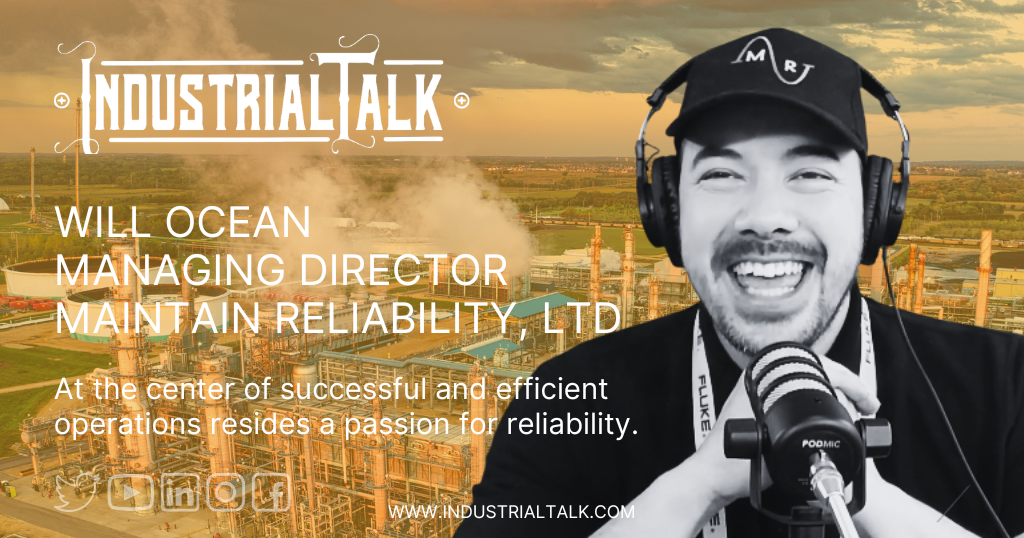
Industrial Talk is onsite at Xcelerate 2026 and talking to Will Ocean, Managing Director with Maintain Reliability about “Operational success starts with reliability”.
The conversation revolves around the Fluke Xcelerate 2026 event, which focused on reliability, predictive maintenance, and AI diagnostics. Scott MacKenzie, the host of the Industrial Talk Podcast, interviews Will Ocean, a Managing Director at Maintain Reliability, about the importance of culture and technology in industrial operations. They discuss the challenges of implementing reliability strategies, the need for mentorship and training, and the difficulty of measuring the ROI of preventive measures. Will emphasizes the importance of a cultural shift towards reliability and the role of thought leaders in inspiring and educating the next generation of industry professionals.
Outline
Fluke's Xcelerate Event Overview
- Scott introduces the Fluke's Xcelerate event, highlighting its focus on reliability and innovation.
- The event featured high-energy keynotes, hands-on predictive maintenance tools, and AI diagnostic breakthroughs.
- Scott emphasizes the event's real-world strategies that teams can implement immediately.
- The event is described as a launch pad for smarter, faster, and more reliable operations.
Introduction to the Industrial Talk Podcast
- Scott welcomes listeners to the Industrial Talk Podcast, celebrating industry professionals worldwide.
- The podcast aims to highlight the bravery, innovation, and problem-solving skills of industry professionals.
- Scott mentions the importance of celebrating industry heroes and their contributions to making the world a better place.
Meeting Will Ocean and Initial Impressions
- Scott introduces Will Ocean, a legend in the industry, and mentions his great accent.
- Will Ocean expresses gratitude for being invited and shares a light-hearted moment about never bringing Scott to England.
- The conversation touches on the positive energy and culture at the Xcelerate event.
- Will Ocean discusses the importance of resonance and the positive energy felt at the event, emphasizing the passion and importance of the topics discussed.
The Importance of Passion and Mentorship
- Will Ocean talks about the passion and drive behind thought leadership at the event, highlighting the involvement of apprentices.
- He emphasizes the importance of mentorship and inspiring people, sharing his own experience with the Reliability Gang podcast.
- Scott agrees on the need to inspire the next generation of leaders and the importance of telling industry stories.
- Will Ocean discusses the challenges of sharing knowledge and the skills gap in the industry, advocating for making industry conversations accessible and relatable.
Cultural and Technological Challenges in Industry
- Scott and Will Ocean discuss the cultural challenges in the industry, particularly the slow pace of cultural change compared to technological advancements.
- Will Ocean uses the analogy of going to the gym to explain the long-term effort required to change industry culture.
- They discuss the importance of having the right conversations and the need for patience and empathy in cultural change.
- Will Ocean highlights the need for thought leaders to spread awareness and empathy, and the importance of understanding the conditioning of experienced industry professionals.
Will Ocean's Background and Maintain Reliability
- Will Ocean shares his background, starting in the electric and mechanical trades and moving to condition monitoring and vibration analysis.
- He discusses the transition from being a problem giver to a solutions provider and the importance of understanding the root cause of problems.
- Will Ocean emphasizes the need for a roadmap to address gaps within organizations and the importance of adding value first.
- He shares his experience with Maintain Reliability, focusing on the importance of tools, training, and progression for employees.
The Role of Culture in Sustaining Reliability
- Will Ocean discusses the importance of reliability being ingrained in the culture of an organization.
- He highlights the challenges of sustaining reliability when senior leadership changes and the need for a strong culture to support long-term goals.
- Scott and Will Ocean discuss the difficulty of measuring the return on investment for reliability efforts that prevent failures.
- Will Ocean emphasizes the need for awareness and a long-term vision for the plant, advocating for a marathon approach to reliability.
The Importance of Problem-Solving and Adaptability
- Will Ocean discusses the importance of problem-solving and the need for flexibility in roadmaps for different organizations.
- He shares an example of a manufacturing facility using diagnostic equipment without a clear plan, highlighting the need for proper utilization of tools.
- Will Ocean emphasizes the importance of addressing gaps and adding value first, using a roadmap tailored to the specific needs of the organization.
- He discusses the challenges of measuring the value of reliability efforts that prevent failures and the need for a cultural shift to see reliability as a long-term investment.
Future Excitement and Contact Information
- Scott asks Will Ocean about what excites him in the industry, and Will Ocean expresses his passion for spreading the word of reliability and inspiring people.
- Will Ocean shares his contact information, encouraging listeners to follow him on the Reliability Gang podcast and connect with him on LinkedIn.
- Scott praises Will Ocean's high “beer factor,” describing him as passionate, skilled, and a great person to hang out with.
- The conversation concludes with a reminder to follow Will Ocean and attend the Xcelerate event, emphasizing the importance of people and conversations in the industry.
If interested in being on the Industrial Talk show, simply contact us and let's have a quick conversation.
Finally, get your exclusive free access to the Industrial Academy and a series on “Why You Need To Podcast” for Greater Success in 2026. All links designed for keeping you current in this rapidly changing Industrial Market. Learn! Grow! Enjoy!
WILL OCEAN'S CONTACT INFORMATION:
Personal LinkedIn: https://www.linkedin.com/in/willocean/
Company LinkedIn: https://www.linkedin.com/company/maintainreliability/posts/?feedView=all
PODCAST VIDEO:
THE STRATEGIC REASON “WHY YOU NEED TO PODCAST”:
OTHER GREAT INDUSTRIAL RESOURCES:
NEOM: https://www.neom.com/en-us
Hexagon: https://hexagon.com/
Arduino: https://www.arduino.cc/
Fictiv: https://www.fictiv.com/
Hitachi Vantara: https://www.hitachivantara.com/en-us/home.html
Industrial Marketing Solutions: https://industrialtalk.com/industrial-marketing/
Industrial Academy: https://industrialtalk.com/industrial-academy/
Industrial Dojo: https://industrialtalk.com/industrial_dojo/
We the 15: https://www.wethe15.org/
YOUR INDUSTRIAL DIGITAL TOOLBOX:
LifterLMS: Get One Month Free for $1 – https://lifterlms.com/
Active Campaign: Active Campaign Link
Social Jukebox: https://www.socialjukebox.com/
Industrial Academy (One Month Free Access And One Free License For Future Industrial Leader):

Business Beatitude the Book
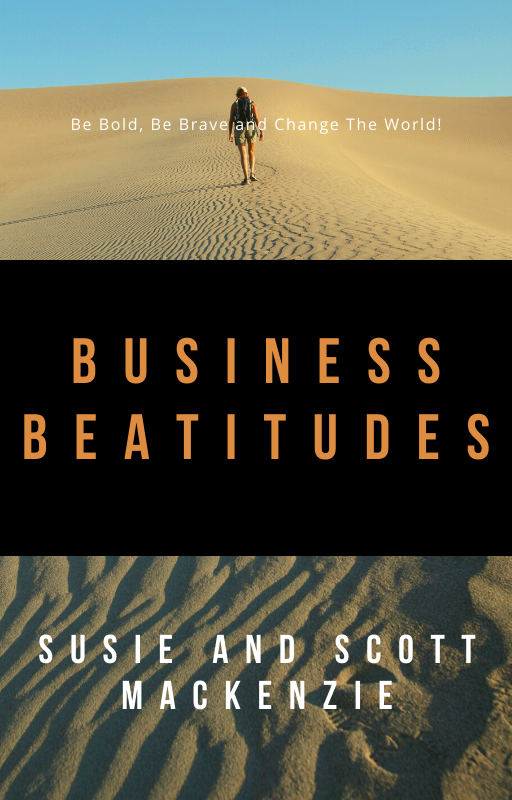
Do you desire a more joy-filled, deeply-enduring sense of accomplishment and success? Live your business the way you want to live with the BUSINESS BEATITUDES…The Bridge connecting sacrifice to success. YOU NEED THE BUSINESS BEATITUDES!
TAP INTO YOUR INDUSTRIAL SOUL, RESERVE YOUR COPY NOW! BE BOLD. BE BRAVE. DARE GREATLY AND CHANGE THE WORLD. GET THE BUSINESS BEATITUDES!
Reserve My Copy and My 25% Discount
Transcript
SUMMARY KEYWORDS
Industrial Talk, Fluke Xcelerate, reliability, predictive maintenance, AI diagnostic, thought leadership, mentorship, skills gap, culture change, condition monitoring, vibration analysis, ROI, sustainability, problem-solving, passion.
Industrial Talk is brought to you by Fluke. We were
on site at Flukes Xcelerate event where reliability reimagined came to life
from high energy keynotes to
hands on predictive maintenance tools to break through AI diagnostic the event delivered real world strategies teams can use today. Xcelerate once again, proved why it is the launch pad for smarter, faster, reliable operations go out to Fluke.com to find out more.
Welcome to the Industrial Talk podcast with Scott MacKenzie. Scott is a passionate industry professional dedicated to transferring cutting edge industry focused innovations and trends while highlighting the men and women who keep the world moving. So put on your hard hat, grab your work boots, and let's
go all right once again. Welcome to industrial talk. Thank you very much for joining the number one industrial related podcast in the universe that celebrates you, industry professionals all around the world. You are bold, yes, you are brave, yes, you dare, greatly, you innovate, you collaborate. You're solving problems each and every day. You're making the world a better place. That's why we celebrate you. You are the heroes in this story we are broadcasting on site.
Xcelerate:it's brought to you by those wonderful people at Luke. They are wonderful. And email, by the way, I have to include that there too, because there's a lot of people talking about that one, but we're here on the floor, and you know who we have. He's a legend. He's wonderful. He's amazing. We've worked some. We were, we were part of the leadership thing, but he stole the show because he's got a great accent.
Will ocean? Hello, hello, Scott. Thank you so much for having me on.
Yeah, yeah. Likewise, we're here. You know what's interesting? Hey, how come you never brought me to England?
Well, that's got to be arranged, I think, isn't it? It does. Because you are legend over there, by the way.
We're just, we're just getting each other up really,
yeah, no, it, it's, it's, uh, it's, it's been a good show.
It's been a great show. I love coming in
just, is it your Is it your opinion? There's just this user by culture,
it's energy, isn't it
like, you know, I don't know what it is.
They talk about resonance. And look, you know, I'm not going to have any puns here as a vibration analyst, but when you're when you're emitting a good energy. You feel it in the room. And I kind of the thing I love about Xcelerate, it's the energy, isn't it? It's a different feeling when you get it. Everyone's on the same page, and everyone's talking some real, real important subjects, but also people are really passionate about what they do here as well. So that's, that's what we're tapping into here, you know? I mean, so, yeah, I'm gonna high vibe right now, Scott, so hopefully I can admit some of this energy to the pod.
And, you know, I'm always, every time, every time I'm here and, and, to your point, it, there's an interesting culture. And the way I look at it, will is, is the fact that people look like they're they're rowing and, you know, they're in a boat, and they're rowing, and they're rowing in the same, you know, direction, it's it, and they like it, and they're given 100%
Yeah, nobody's
sandbagging, no, but that's the thing, like, even in thought leadership, right? You can just see people wanting to get involved. Give me the mic only to say what I need to say. And I love that, because that's driven by passion, that's not necessarily driven by necessity. That's driven by passion. I need to get this out. I need to get this out. And, you know, it was great, even some of that, some apprentices there yesterday, and they loved it. They left that event completely energized. I was jacked, man, like I was. For me, mentorship and inspiring people is a big reason why I do this. You know, the podcast that I've got in the UK, and, you know, the content we put on LinkedIn and all these posts, it's because it's just the thought of being able to empower people. It's a special feeling, right? I think, I think that's what the world needs more of, where we need to be more empowering. You know,
I agree, and I think they have to, and this is sort of uncomfortable for the world of industry is tell that story, try to communicate that passion. Because I think we, you me and everybody else has an obligation to figure out how to inspire that next generation of leaders. We have to, have to, and that means you got to put yourself out there. You can't be the, you know, old school, yeah,
and I get it, it's uncomfortable sometimes getting yourself in front of the camera and stuff, but I think everyone's got a story to tell and but that's what I quite like about this and thought leadership, you know, you've got people in the room. There's so much experience and know how to do this stuff, that sharing of that knowledge is so powerful. But. They might not necessarily feel comfortable to get on the phone, get on a video and and this is also the way of the world, right? We've got so much knowledge that is almost kept within one area, and we're not, we're not expressing enough of it to share how we actually solve some of these problems. You know, we talk about the skills gap, and then it's a huge it's a huge problem. And obviously we speak about actually, every single year, because this is something that we do need to address. But when you look at it, and people are not giving their knowledge, this is part of the part of the problem, right? Because we're not sharing that knowledge that's required to be able to be passed on to generation. And then obviously people also lose interest. Do you know what I mean in an industry, because they don't feel like they're getting anything. So the whole point of reliability gang podcast, and even this one, is make it cool, make it accessible, make the conversation like a normal one. Rather than just being all technical, we'll technical things. Just have a good convert about some of the value stuff. You know I'm saying.
So see, I agree. I agree. And you know what? The other thing is that I got a couple of things, but the other thing is is, do you think and I can't speak for the UK. I can only speak here. We've done a great job here in the United States to discourage the these leaders, these industrial leaders, from going into the trade, the tech and and go into college, and that's what we did, and we succeeded at that. And so there's nobody over here. The problem I have is, because we did such a good job over here, this component has withered, has sort of, I don't think we're nimble enough to be able to keep up with what's taking place in industry and educate that gap is, I find it getting bigger because, yeah,
I agree, but I think it's also to do the technical revolution, like Tech's moving so fast, but culture's moving so slow. So what you've got is this kind of paradox where you know you've got the technology, you've got the AI tools, you've got all this great stuff, and people wanting to use that now without changing the culture part, and nothing changes. So you can only unlock the value, really, when you marry two together, and culture is longer. It takes time, and people are impatient. People want the results now. And anything that you anything you do. I'll give you a great analogy. If you want to go to the gym, okay, it takes time to get yourself to that, that that figure, or whatever you're looking to do. It's miserable. It's it's hard. It's not easy. Like you have to go every day. You need to turn up every single day. You need to turn up every single day if you don't want to go. And if you don't do that through that end goal, you won't get to the goals right culture is very similar. It's about having the good, right conversations every single day. It's about trying to change people's perception and opinion every single day. And you can't give up. You can't just say, oh, you know what? I've had that conversation with one of my maintenance professionals or or team leaders, or fitters or whatever, and you might get a bad response from it, and you think, I don't know. Well, I'm not gonna have that conversation again. But no, you need to continue to have them Convos, you know, I mean, and it's uncomfortable and it's difficult, whereas buying a nice, shiny sensor and putting it on an asset and seeing it in a dashboard, it's very instant. But that information is completely pointless if you've got no one in the plant adopting the recommendations to change something, and then I don't want to do that, but here's here's management.
They're saying, I can't find the right people. I can't trust the people. Yeah, gonna have to try to figure out automation or tools to be able to show
that is the issue. Scott like, we got to get the culture catching up with the tech. But the problem is, Tech's getting faster, and culture is inherently slow. So until we get to a place where again, and this is why it's important to have thought leaders and people spreading awareness and also empathy and understanding like that. That's really important here, because a lot of people been industry for many years, and they have so much experience. But we're also conditioned by the way that we've done things, so we've got to have empathy for that, and we've got to be able to have patience to take people through that change and get people to realize, oh, actually, am I a part of the problem here with the way I'm thinking? Does that make sense, you know?
And I violated one of my key rules, and I we don't know who you are, so give us a background. Yeah, of course.
Yeah. No, we just went straight to the juice.
Yeah, I'll give you a little brief introduction. My name is Will ocean. I'm managing director at maintain reliability. And yeah, I've had a maintain reliability for about nine years now, nine years. So I started off in the electric, mechanical trades. I used to be a motor winder, so I used to work in a workshop. So I used to see failure at failure. Do you know what I mean? Every single mode that come in, they'd failed for a certain reason, and it was a blessing to be able to see failure, to be able to see inside the machines, to be able to understand what has failed and to be able to fix them is the first start. Right? You know, when you're doing condition monitoring or vibration you're measuring, but do. How do you know what has failed, or what's inside a machine, or what components could be given off, the higher readings and stuff? And it was such a blessing to be able to, I don't realize it now, but back back then, it was hindsight. It's such a blessing to have gone through that road and that route, so kind of went for a company called Eric's big industrial company in the UK, and I hit a ceiling, Scott, you know, I went into the CM division. The CM division took off. I love what I did. I was passionate about it. I was pushing it. I was really kind of reliability focused, and how do we improve things? And unfortunately, yeah, there was a seed in there for me and and we talked about yesterday, which is really good, really important as well. And this has also struck a real big bell with me, when I did the thought leadership with the guys and the younger guys, never saying, Well, what do we need to be sustainable in this company? What? How do we need to be supported? And there's three major things that I took from that takeaway. One was having the tools to be able to do what they need to do, because they can do it properly. They can feel valued. Two is the training and making sure they're supported and they're mentored. Yeah. And three was progression. Okay, all three of them things I didn't have, you know them, and I'm so blessed that I have moved on now, because I wouldn't have made maintain, but I made a promise, like when I built the business, if I was to ever employ anyone, and now we've got 10 people with us. Is that them three things would always be be given and maintain, and it's such an important element. And whoever you're training, or whoever, whatever mentorship you're doing, them, three things are such a key component. So, so what does your company do? So we're reliability company. We started off as a condition monitoring company. So originally, obviously, I'd specialize in vibration analysis. That's kind of like my number one thing. I loved it. I just fell in love with the idea, what category are you? Cat free? Cat four next. I always got to say, you got to do you gotta keep going, as long as they're making cats, I'm going up the cat lad. So yeah, cat free analyst. And you know what? It's great to be that. But I'll be honest, the experience in the plant seeing that's what really makes you a good analyst. You know, it makes you by having experience is what teaches you. You know, it's great to have the qualifications theory behind it, but it doesn't define you as an engineer, if that makes sense as well. I know a lot of really good guys, cat too, that probably know more than me. And I mean, it's not, it's not a, it's not a kind of a scale you can measure yourself, bias the experience, I think, for me. So the VA side was, was great for me, and it was just me. When I first started the business, we started going out, started, you know, getting very busy in the UK. And then, you know, what we found was, is that CM is not the solution to everything. You can't do vibration analysis and solve everyone's problems with just that one technology. We had to improve. We had to, you know, it's not about just finding a defect. How do we solve it? Like, how do we make it better?
Yeah, you got a problem here.
Yeah, good luck. That's what it was, though, yeah. Like, if you think about it, when I first started, I was the problem giver. Like, here you go, plant. Here's another 20 problems to add to the five problems you're firefighting right now.
Create some work order. Yeah, it's more problems.
So it doesn't necessarily solve that the issue of industry. So what we had to do was actually say, Well, how do we evolve this business into being a solutions provider, not a problem giver? And that's that's the difference. Now we've maintained reliability, so when we made that transition to reliability, it was now a different mindset. And this is what a lot of plants need to go through. This transitional shift that we did, is to think of it differently, like, Okay, we found the problem now, but what was the root cause, and how do we prevent it, and how do we ensure it doesn't happen again? That is the close, detect, solve, improve, gap that we've had to adopt and identify. And I'll be honest, Scott, it's not being easy. It's been very difficult to do because, yeah, you're trying to bring so many things together. Yeah, here's
and again, it gets back to culture. It's always a human equation. Yeah, in these organizations, they, they, they talk a good game, but do they execute? And the question is, no, not really, no. And this is what also happens, is when they say, Hey, I'm going to be doing this. I'm all into this reliability stuff. I'm going to put forth an effort to ensure that my organization is efficient and and solid. And we're going to go and things, you know, there's low hanging fruit, and things start to improve real quick. And they like, look at that, man, great dog. But it levels
out, yeah, definitely. And you're right, and sustainability is difficult, like you can do a few things that make the difference short term, and you might get some good, good wins, but remember, reliability has to be ingrained in culture now. And we said at the start, culture is a long term thing,
but Well, it's all great in the culture, but then what if the head cheese decides that he needs to move on, or she needs to move on, and then I got that
is, but that's the thing. Is the culture good enough to sustain people leaving? Yeah? So that dude, yeah. So you might have your senior leadership on board, but what happens if your senior leadership leave? Or might be the other way around? You might have your people on board, right, but senior leadership might not be advice for. So this is the thing. Reliability is not really a tangible thing. It's a culture, it's a way of work. It's a philosophy, and if that is strong enough across the plan, it will survive. The problem is, is getting it to a point where it is that strong and it is big and it's really difficult to do, because what happens is, is that people do move on, and a lot of people do training, but there's no mentorship. So this is, there's a bit, there's
a huge difference. And then somebody says, Hey, I'm looking at the finances, and why are we spending all this money over here? It happened the other week.
We had it. First year, we got big contracts, cm contract, and it went so well the first year, it was condition based lube. So we was doing some really cool stuff. And do you know what? There wasn't many failures that year. We found a few. But a lot of the stuff, the proactive stuff, we do, the lubrication corrections, and all these things, were preventing the failure from happening. But if we didn't do the prevention bit, and the problems were occurring and we detected it, they would have been, oh, there's value here. It's like, no, the value wasn't in the fact that it was, it was the defect was, is the fact we actually prevented it? Yeah, but that's hard to measure. So it can't becomes a cost over a necessity. Does that make sense?
Oh, it does. Because I would probably advocate to try to figure out, how do you create an ROI, if
that pump failed, if that that
motor failed, or whatever failed. What was the what's the cost? Yeah, but you can, you can
do that with cm when you find the defects, yeah, but what happens when you prevent the defect? That's right. There you go. So just, yeah, this is the problem. So this is where condition monitoring you can do a cost avoidance. You can, you can, you can do that, but if you prevented it from failing in the first place, there's nothing to measure. Does that make sense? This is why it's really difficult to sell reliability, because the concept of it is very difficult to measure. So this is why it needs to become a part of culture, opposed to a cost saving exercise. So to do that, though you need awareness. To do that, though you need people on board. And to do that, you need to people see a longer term vision for your plant, which a lot of people right now, unfortunately, don't have, like, a lot of hurdle rates and return on investments are based over two years. That's when they want their money back. Reliability is based on a long game, my friend, it's a marathon. It's not a sprint, it's a marathon.
It is I I've always
struggled with that. It's difficult though, Scott, because that whole One example is a very good example of a very difficult to attribute the value of reliability, because the failure doesn't happen. When the failure happens, or you find it issue, a problem, you can, you can do that study of work, and you can get ROI, but if it never occurred, because you've been proactive, it's really difficult to measure. Wow, that's a dilemma, yeah, and that's one that we're facing every single day, every day, because everything's measured in money, right? Generally, it is. It's in the money, and how we how we get the return. And I totally get that, but it's really hard to measure that return on investment if you're preventing things
from happening in the first place. Yeah? But there's
an, I mean, there are companies that are saying, Yeah, I get it, which is probably pretty cool. When a company says, I get it, the culture is, is there? I'm always fascinated when I come to events like this, one of Fluke and their business is to to deliver reliability, to have those solutions and and and then having to deal you, you deal with it all the time. They have to deal with this on a grander scale,
yeah, 100% I mean, like you look at the makeup of Fluke, right? They've got the whole they've got email, which is, which is a system essentially, yeah, then you've got to be able to have the tools that can feed into the system, yeah. But these are all tools and systems. It's the way it's used that generates the value. So this is really a big challenge for Fluke in the sense that they've got all of the platforms ready to people to utilize, but they've got inspired people to use them properly to get to get the value added. Here's an example.
I was at a facility, right and and I was deploying a system. It was a manufacturing facility, and I'm walking around, and I'm, yeah, there are cubes, right? Cubes? I'm walking around, and there's a diagnostic piece of equipment just sitting in the cube.
And I said, What?
What's that doing there? Well, what do you do with it? We just,
we bought it, but we're not just sits on the shelf.
It just shits off Dallas dust doesn't get used. And this is the thing. Just buying a piece of equipment won't, won't solve your problems. You've got to be able to say, right, what, what we're using it for? Yeah. How is it going to solve a problem that we've got, and how are we going to make it sustainable? And this is why piecing together everything is so important, and that maintain reliability. What we do is we see where the gaps are within the organization, and we're like, right? Here's where your gaps are, but here's what you need to do first as a roadmap, because companies are not going to have everything done right, and they're going to have a few similar gaps in different areas, but what we need to do is hit the areas that are going to add the biggest value first, and we need to be able to rearrange in a roadmap that suits that particular company. Customer, every customer's got a different roadmap, because everyone's got different problems, everyone's got different things. They might be making different products. They might be, you know, slightly set up in a different way. It's all different 100% but what is really good? So the Fluke, product line, email and all these tools into that can feed into the roadmap, and we can then extract the value by doing what needs to be done first. But this is the thing, right? It's not, you know, you say a roadmap. It's not a defined here, step A, B, C, D, to F. It could be one. When you start E, we need to go back to A and go back to C. So every journey is unique, and this is where it's difficult. You can't just follow one framework. You've got to be you've got to know how to problem solve within what you're doing, and I think that is a very difficult skill to have. You know definitely, yeah,
I agree with you 100% I put your, put your future hat on, yeah, if you can, and tell me what gets what gets you excited, yeah, but what gets you excited? Well, me, yeah, not me.
I don't. I don't. What gets me you're the pro
in this industry is being an evangelist, a reliability. Yeah, that's what gets me excited. I love spreading the word of reliability, and I love inspiring people to do better,
and mentoring. I'm inspired.
I love that. I'm not gonna do anything with it, just because I have no place to do it. Talk about it. I'll talk about it with inspiration. Hey, how do people get a hold of you? What's the
best way? Best way is, come follow me on the reliability gang podcast. If you type reliability gang in all of Spotify, Apple podcasts, Amazon podcast, reliability. Game, reliability. Game, one word, okay. And also add me on LinkedIn. I'm really active on there. I've got loads of content. I share a lot of stuff on there. Share a lot of stories, not case studies.
Yeah, you're a legend relation. It's about time you've been on this podcast.
e broadcasting from Xcelerate:right back. You're listening to the Industrial TalkPodcast Network.
So here's my thought about Will he has what I call a high beer factor. And you're saying to yourself, Scott, what does that mean? Well, when you're you know you're hanging out with them. Is hanging out with them at Xcelerate, and you just know that I'll have a beer with him. Yeah, because he he's got some mad skills, but he's just passionate about you, just passionate about what you're doing. He wants to hear about it. He's just an absolutely great guy, and all his contact information
is definitely out there on industrial talk.
This is a high priority. Must connect, make it happen. He truly is about your success and and again, you're not going to be disappointed hanging out with him as for doggone Sure. So follow him, connect with him and and reach out you again. He's just that type of a guy that was Xcelerate, that was brought to you by Fluke and eMaint, and it was a User Conference featuring people like will and others who are just wonderful. This is what makes industry special. It's always the people. You got the technology, and it's all incredible, and it's all being driven, driven by people. But the bottom line, it's always the people and the conversations and just getting sucked in, getting enamored by just the passion they have about success. That's it Xcelerate. You need to put that one on your calendar for next year. All right, Industrial Talk is always here for you. We want you to succeed. We want you to tell your story. We want you to be featured on industrial talk. You need to succeed, and that means you need to tell your story and bring out that human side. Contact me, industrial talk, easy peasy. Go to the website, industrial talk.com, and
let's have a conversation. All right.
Be bold, be brave. Dare greatly. Hang out with Will, right there. Hang out with will, and you will be changing the world. We're going to have another great conversation coming from Xcelerate
so we're. Stay tuned.